





Oshi Casino Mobile App And Daily Play
A strong phone-first casino experience is built around simple actions. Players want to sign in quickly, see the cashier without digging through menus, and return to recent games without losing time. In 2026, that direct flow matters more than decoration because most users expect a handset to handle the full routine with very little friction.
Imagine you are commuting and only have ten free minutes. Usually, players in that moment want a clean lobby, a visible balance, and a fast path back to familiar titles. If those elements are easy to reach, the session feels practical instead of annoying.
Oshi Casino Application For Quick Setup
The setup stage should feel short and readable. A good mobile flow breaks registration into small steps, asks for clear details, and lets the user confirm each part without guessing what comes next.
Picture a new player opening an account after work. If the form looks crowded, they leave it for later. If each screen asks for one thing at a time, they usually finish the process and move on with less stress.
Why Phone Navigation Matters More Than Extra Features
On a phone, weak design shows up fast. A cluttered layout, vague labels, or oversized banners can turn a simple task into a chain of wrong taps. That is why the best mobile casino experience often feels quiet rather than busy.
Most users follow the same path: sign in, review the wallet, choose a game, and check account tools if needed. When those actions stay in predictable places, the platform feels stable. When menus shift from page to page, even short visits become tiring.
Imagine a player who visits once during lunch and again at night. Earlier, they wanted one quick session. Later, they want more time to browse and review account history. Clear navigation supports both habits without forcing the same route every time.
Wallet Tools Should Feel Obvious
The cashier should not behave like a hidden corner of the platform. Players usually expect payments, recent activity, and account checks to sit close together. When that structure is clear, they hesitate less before confirming an action.
Imagine you are ready to add funds but cannot tell where the payment history sits. Most people will stop, reopen menus, and double-check everything. A cleaner wallet area reduces that second-guessing.
Session Controls Should Be Easy To Reach
Responsible play tools work best when they are treated like normal account settings. Deposit limits, cooling-off breaks, timeout options, and self-exclusion tools should be visible before a player feels pressure.
Consider a user who notices a session is running longer than planned. They do not want to search through layered help pages. Usually, they want one direct action, one confirmation step, and a clear explanation of what happens next.
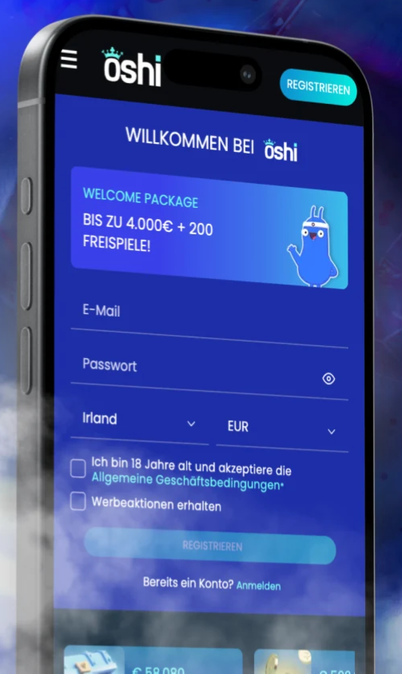
Oshi Casino App For Fast Account Management
The phone version is not only for launching games. It is also where players review personal details, change passwords, check recent activity, and handle support requests. A useful mobile layout lets those tasks happen without sending the user to a desktop.
Imagine you are outside the house and notice something that needs attention, such as a password update or a payment review. Most people want to solve that immediately. That is why account tools on mobile need to be direct, readable, and consistent from screen to screen.
Payment Steps On A Smaller Screen
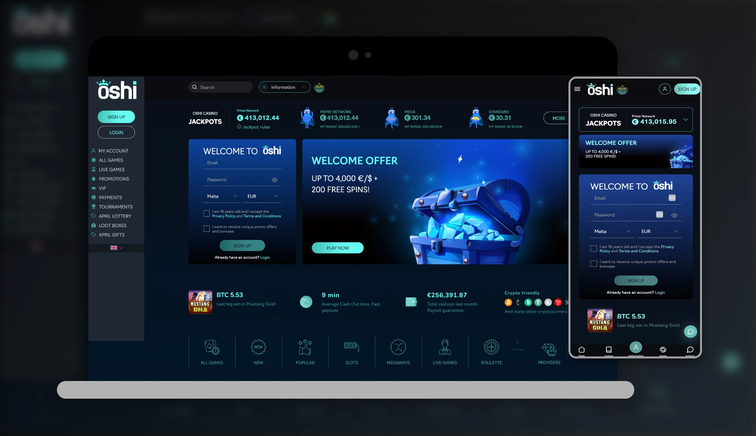
Payments can feel more stressful on a handset because every field takes more space and every tap feels final. A solid layout reduces that pressure by separating the process into clear stages: choose the method, enter the amount, review the details, and confirm the request.
Imagine a player using one hand while checking messages with the other. They do not need extra distractions. They need the amount field to stay visible, the review step to stay clean, and the final confirmation to be easy to understand.
Task | What The Player Usually Does | What To Check First |
|---|---|---|
Add funds | Select a method, enter an amount, confirm the request | Minimum amount, available balance, name match |
Request cashout | Choose a payout method and review the target destination | Verification status, method availability, pending requests |
Review history | Open recent transactions and compare entries | Date, amount, status, repeated attempts |
Change limits | Adjust spending or session controls in account settings | Start time, end time, confirmation wording |
Deposit Review Before You Confirm
A careful deposit flow gives the user one last moment to check the amount, the payment route, and any account prompt before the final tap. That matters because once money is involved, even confident players slow down.
Picture someone topping up the account just before a session. If the page keeps the method, amount, and confirmation clear, the action feels controlled. If the same page is crowded, hesitation appears immediately.
Withdrawals And Identity Checks
Cashing out may involve extra review steps. Players can be asked to confirm personal details, review an earlier payment choice, or complete an account check before the request moves forward. That is normal, but it should be explained in plain language.
Imagine a player ending a session and deciding to move funds out right away. They open the cashier expecting one quick step, then notice a verification prompt. When the platform explains why it appears and what to prepare, frustration drops and the next action feels clearer.
Oshi Casino Mobile And Screen Comfort
Screen comfort is not only about graphics. It is about thumb reach, menu depth, readable text, and how the layout behaves when the phone changes position. A product that looks fine in a static image can still feel awkward after fifteen minutes of real use.
Think about a player starting on the sofa, then checking the account again the next morning. The environment changes, the grip changes, and the amount of attention changes. A flexible layout handles those shifts without making the user relearn the interface.
If buttons sit too close together or menus cover essential actions, the player stops focusing on the session and starts fighting the layout. The better approach is simple: clear spacing, readable text, and menus that open and close without confusion.
Portrait Mode, Landscape Mode, And Focus
Different players use different grips, and the platform should adapt to that. Some browse in portrait mode and switch to landscape once play starts. Others stay vertical the whole time because it feels easier with one thumb.
Imagine opening a session while standing in a queue, then rotating the phone once you sit down. If the screen reflows naturally and the controls remain visible, the transition feels effortless. If the layout jumps or hides buttons, the problem is obvious at once.
Registration, Limits, And Support
Registration should feel guided rather than heavy. Adult players usually expect to create login details, confirm basic personal information, and move through account checks without guessing what the next screen wants.
Imagine someone opening the account during a short break. They are not reading for fun. They are scanning, confirming, and trying not to enter the wrong detail. Short sections and clear field names make that process much easier.
Limits deserve the same attention. Deposit caps, session reminders, timeout tools, and self-exclusion settings should be easy to understand before funds are added, not only after a player feels uncomfortable. Support should also be easy to reach from more than one place, because payment questions and login problems rarely start on the same page.
For Australia readers in 2026, the expectation is practical: clear age gating, visible responsible play tools, and account controls that adults can use within applicable rules without confusion or exaggerated claims.
What To Prepare Before Opening An Account
Before registration starts, it helps to have personal details entered consistently, a payment method in the correct name, and enough time to review each screen without rushing. Players who prepare those basics usually finish faster and make fewer corrections later.
Picture a user trying to register while switching between several apps. Errors become much more likely in that situation. A calmer approach is to sit down for a few minutes, complete the fields carefully, and review the confirmation step before moving on.
When To Use Timeout Or Self-Exclusion
Timeout tools are useful when a player wants a temporary pause. Self-exclusion is the stronger option for someone who wants access blocked for a longer period. Both tools matter because they turn intention into action at the moment it is needed.
Imagine noticing that a quick evening session has become a habit that no longer feels controlled. In that moment, the best move is not another promise to stop tomorrow. It is opening the account controls, choosing the right restriction, and letting the system enforce the break.
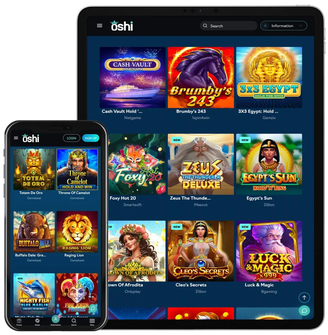
Choosing Between A Browser Session And An Installed Tool
Some players prefer an installed tool because it feels faster to open and easier to revisit. Others are satisfied with the browser version because it avoids extra storage use and still covers the same core tasks. The better choice depends on daily habits, device space, and how often the person actually plays.
Imagine two users. One opens the casino several times a day for short visits and wants immediate access from the home screen. The other checks in less often and does not want another icon on the device. Their needs are different, so the better format is different too.
What matters most is feature consistency. Adult players should be able to register, manage payments, review the account, adjust limits, and contact support whether they use a browser session or a more app-like setup. In practice, many people test both and keep the option that feels easier in daily life.